
About
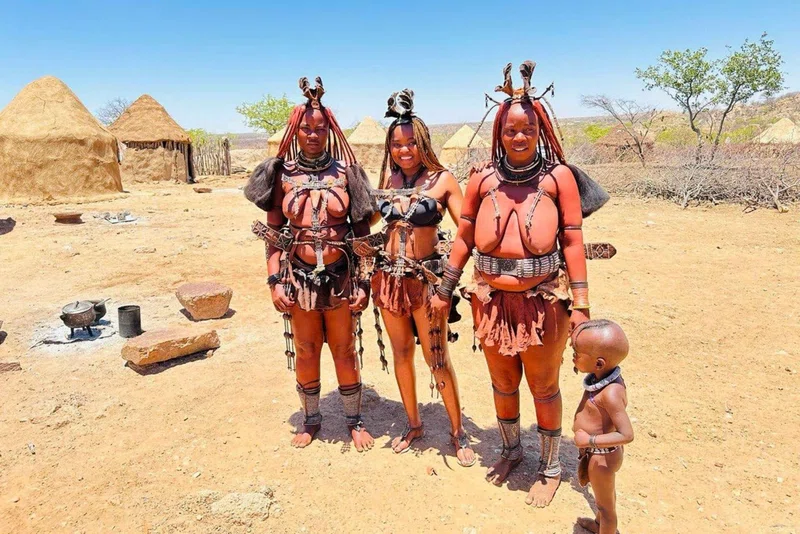
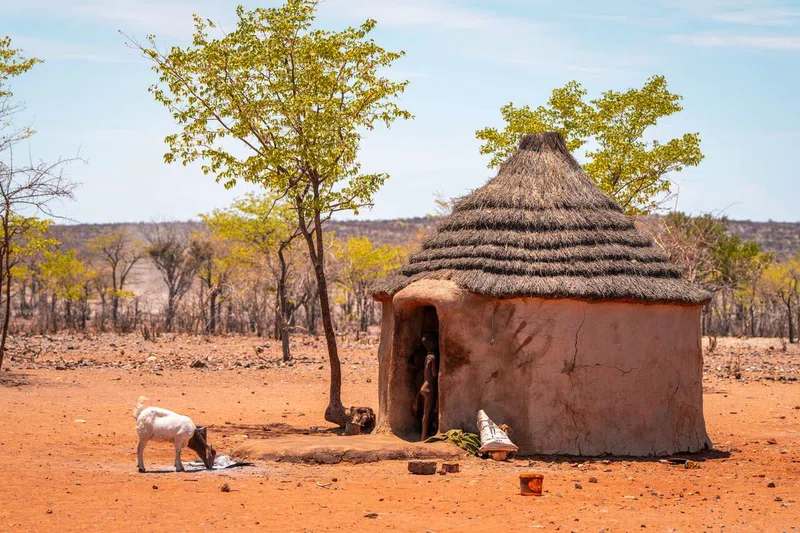
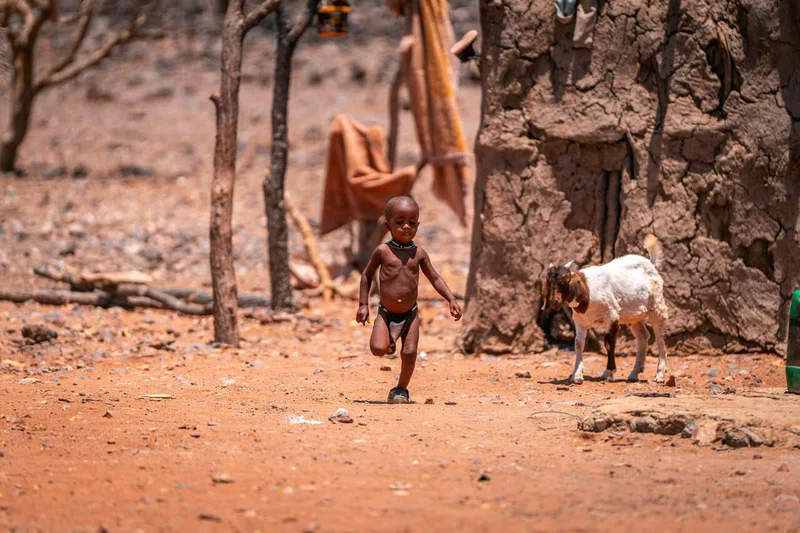
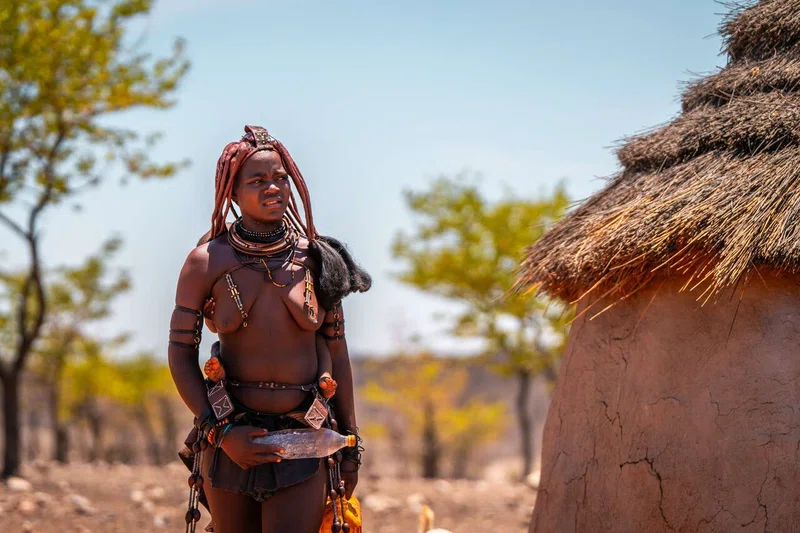
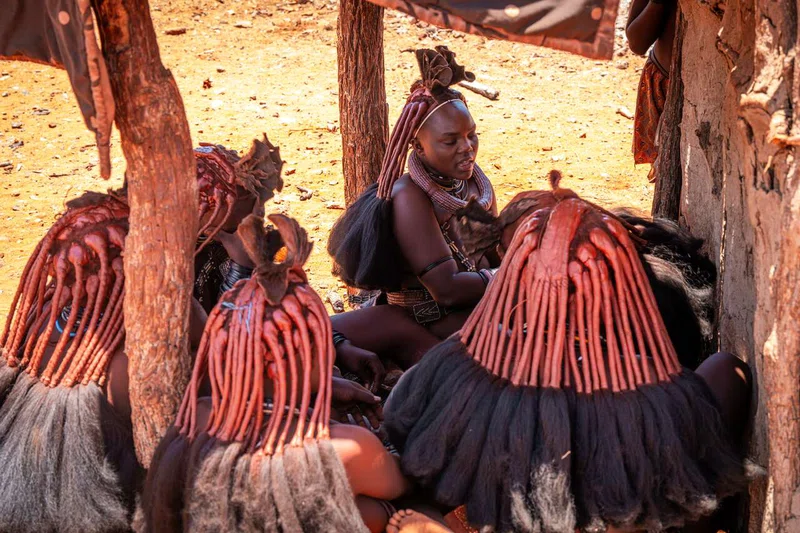
The Himba (singular: OmuHimba, plural: OvaHimba) are indigenous peoples with an estimated population of about 50,000 people living in northern Namibia, in the Kunene Region (formerly Kaokoland) and on the other side of the Kunene River in Angola. There are also a few groups left of the OvaTwa, who are also OvaHimba, but are hunter-gatherers, but OvaHimba do not like to be associated with OvaTwa. The OvaHimba are a semi-nomadic, pastoralist people, culturally distinguishable from the Herero people in northern Namibia and southern Angola, and speak OtjiHimba, a variety of Herero, which belongs to the Bantu family within Niger–Congo.The OvaHimba are considered the last (semi-) nomadic people of Namibia. == Culture == === Subsistence economy === The OvaHimba are predominantly livestock farmers who breed fat-tailed sheep and goats, but count their wealth in the number of their cattle. They also grow and farm rain-fed crops such as maize and millet. Livestock are the major source of milk and meat for the OvaHimba. Their main diet is sour milk and maize porridge ( oruhere ruomaere) and sometimes plain hard porridge only, due to milk and meat scarcity. Their diet is also supplemented by cornmeal, chicken eggs, wild herbs and honey. Only occasionally, and opportunistically, are the livestock sold for cash. Non-farming businesses, wages and salaries, pensions, and other cash remittances make up a very small portion of the OvaHimba livelihood, which is gained chiefly from their work in conservancies, old-age pensions, and drought relief aid from the government of Namibia. SOURCESWikipedia