
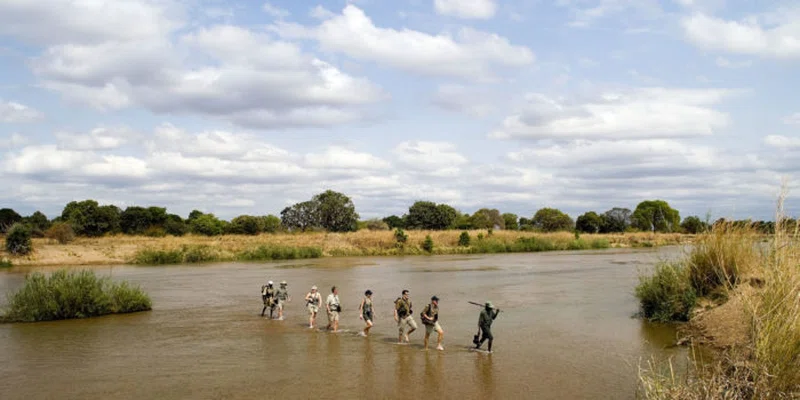
About
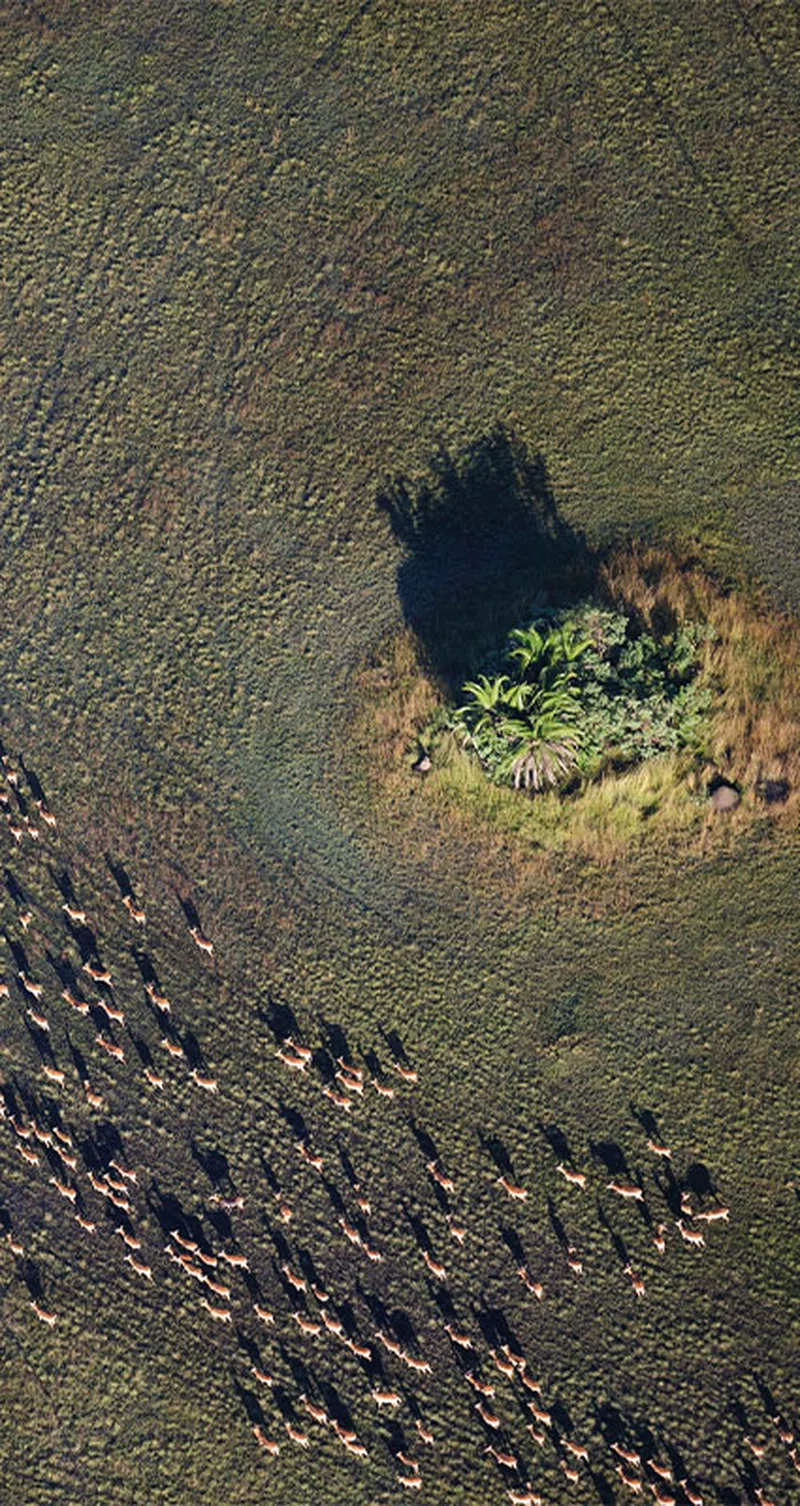
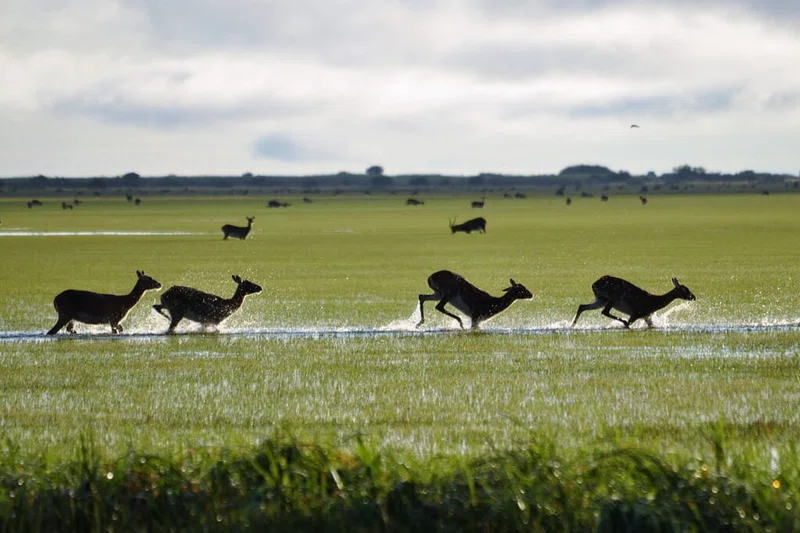
The Bangweulu Wetlands is a wetland ecosystem adjacent to Lake Bangweulu in north-eastern Zambia. The area has been designated as one of the world's most important wetlands by the Ramsar Convention, and an "Important Bird Area" by BirdLife International. African Parks began managing Bangweulu in partnership with Zambia's Department of National Parks and Wildlife with the establishment of the Bangweulu Wetland Management Board in August 2008. == Overview == Bangweulu, which means "where the water sky meets the sky", is located mostly within Zambia's Northern Province and recognized by the Ramsar Convention as one of the world's most important wetlands. The 9,850-square-kilometre (3,800 sq mi) region has floodplains, seasonally flooded grasslands, woodlands, and permanent swamps fed by the Chambeshi, Luapula, Lukulu, and Lulimala rivers. The nonprofit conservation organization African Parks manages a 6,000-square-kilometre (2,300 sq mi) area of the greater Bangweulu ecosystem. == Flora and fauna == The ecosystem has Cyperus papyrus, floating grasses, miombo woodland, and reeds that support large populations of crocodiles, fish, and water birds. Mammals include buffalo, Burchell's zebra, bushbuck, common tsessebe, elephants, hippopotamus, hyenas, jackals, migrating lechwe, oribi, reedbuck, roan and sable antelope, and sitatunga. Bangweulu has the only remaining significant population of the black lechwe. There were an estimated 35,000 reported in 2005, and approximately 75,000 in 2012. SOURCESWikipedia
Wildlife & Birds
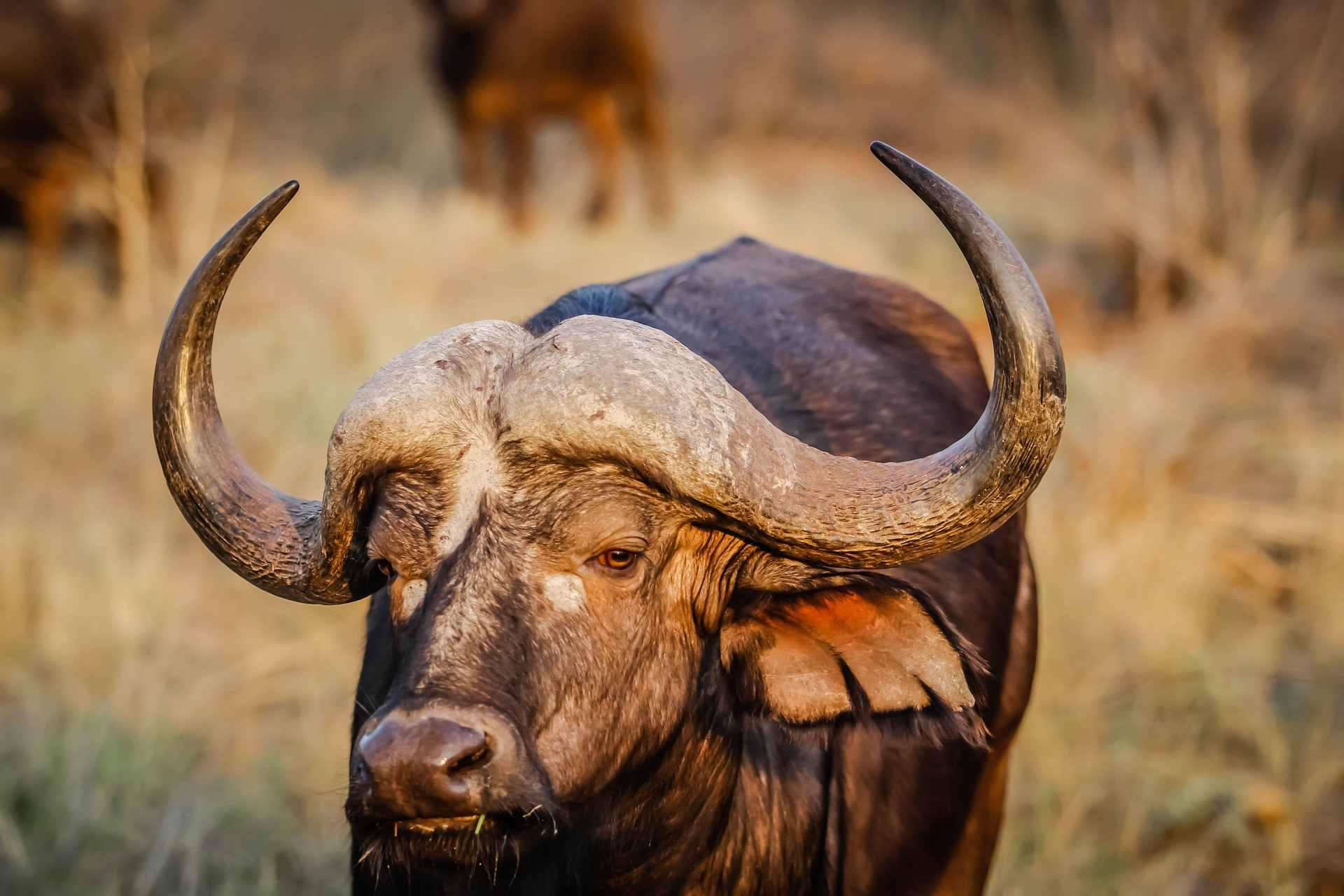
Buffalo
0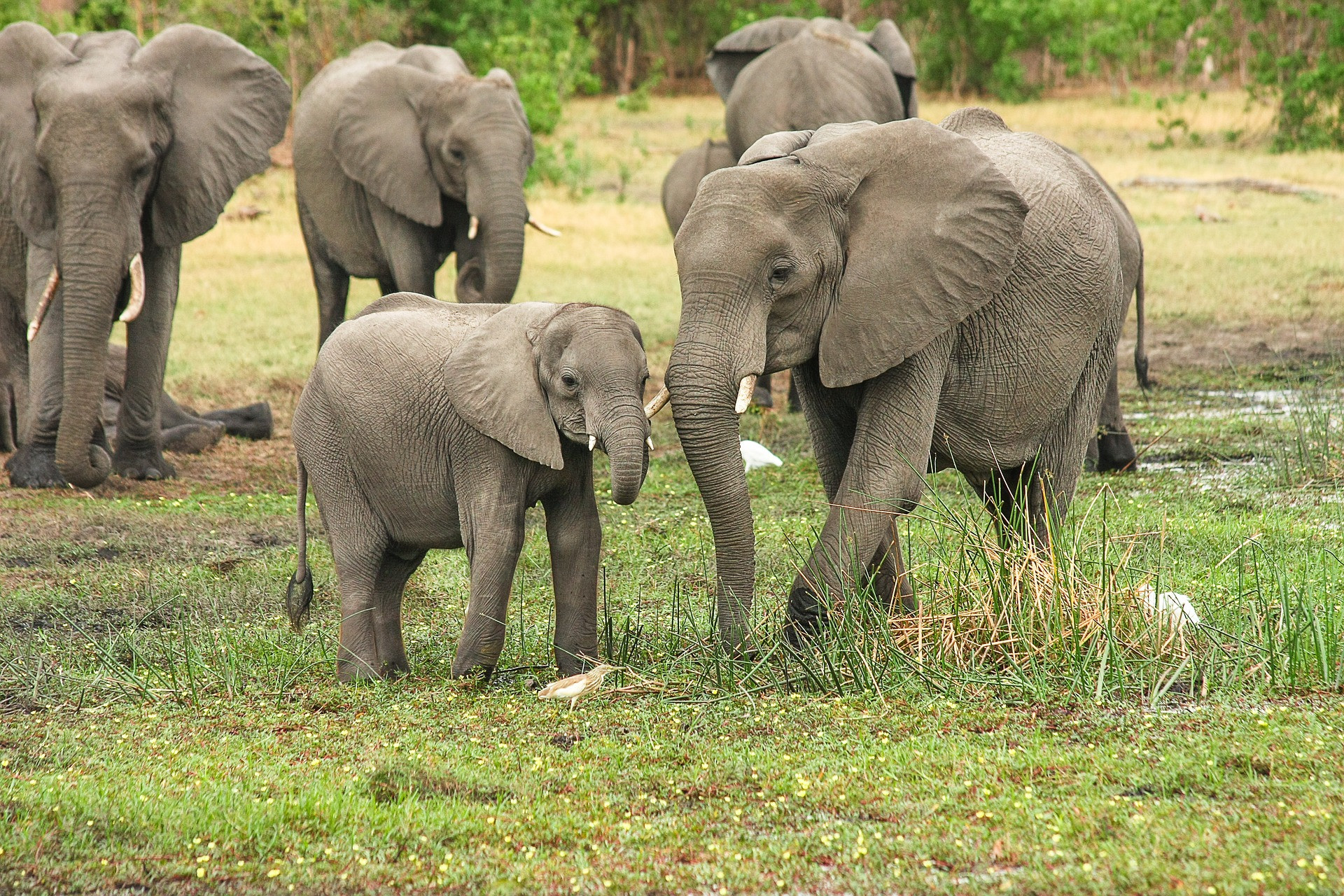
Elephant
0Hippo
3
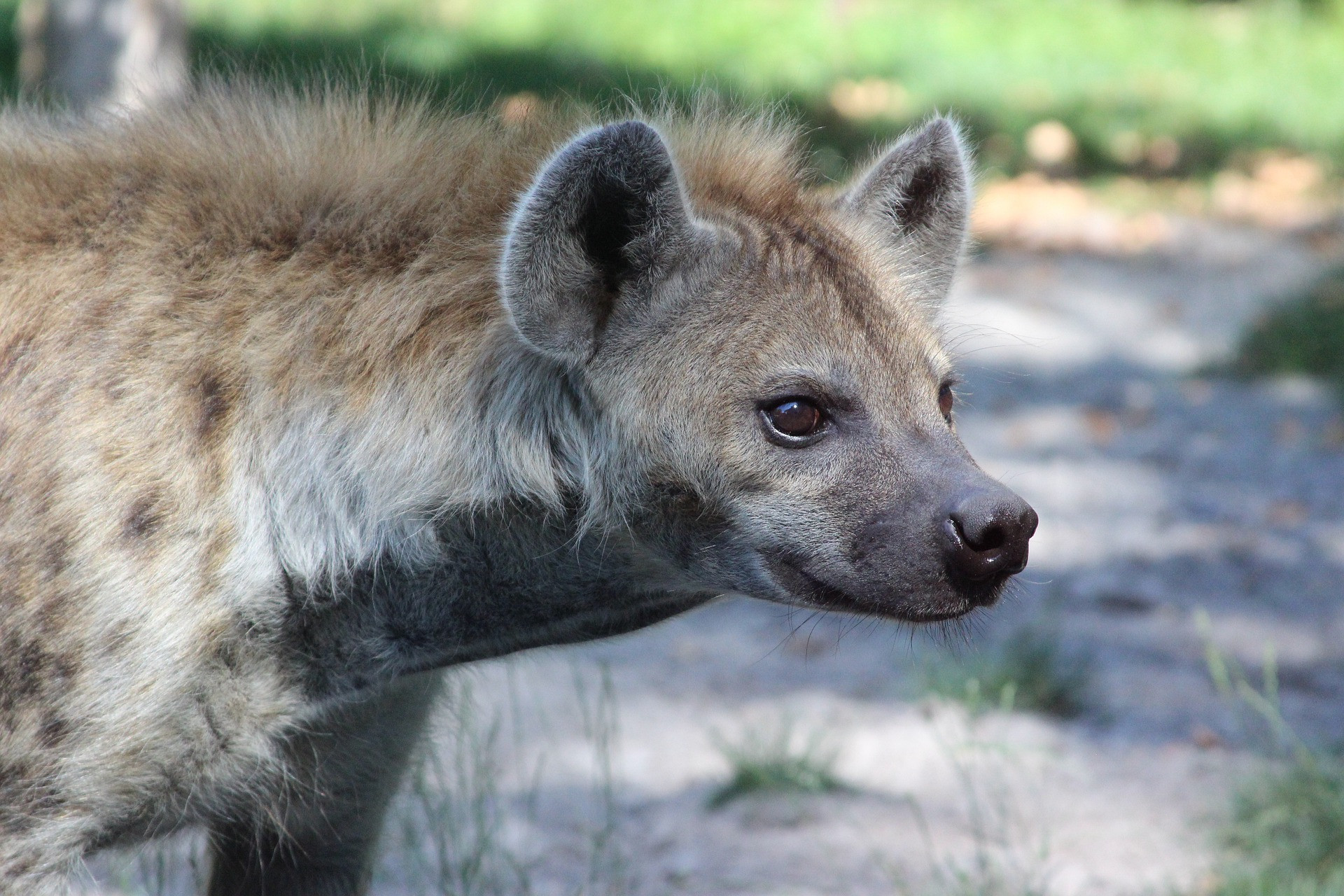
Hyena
1
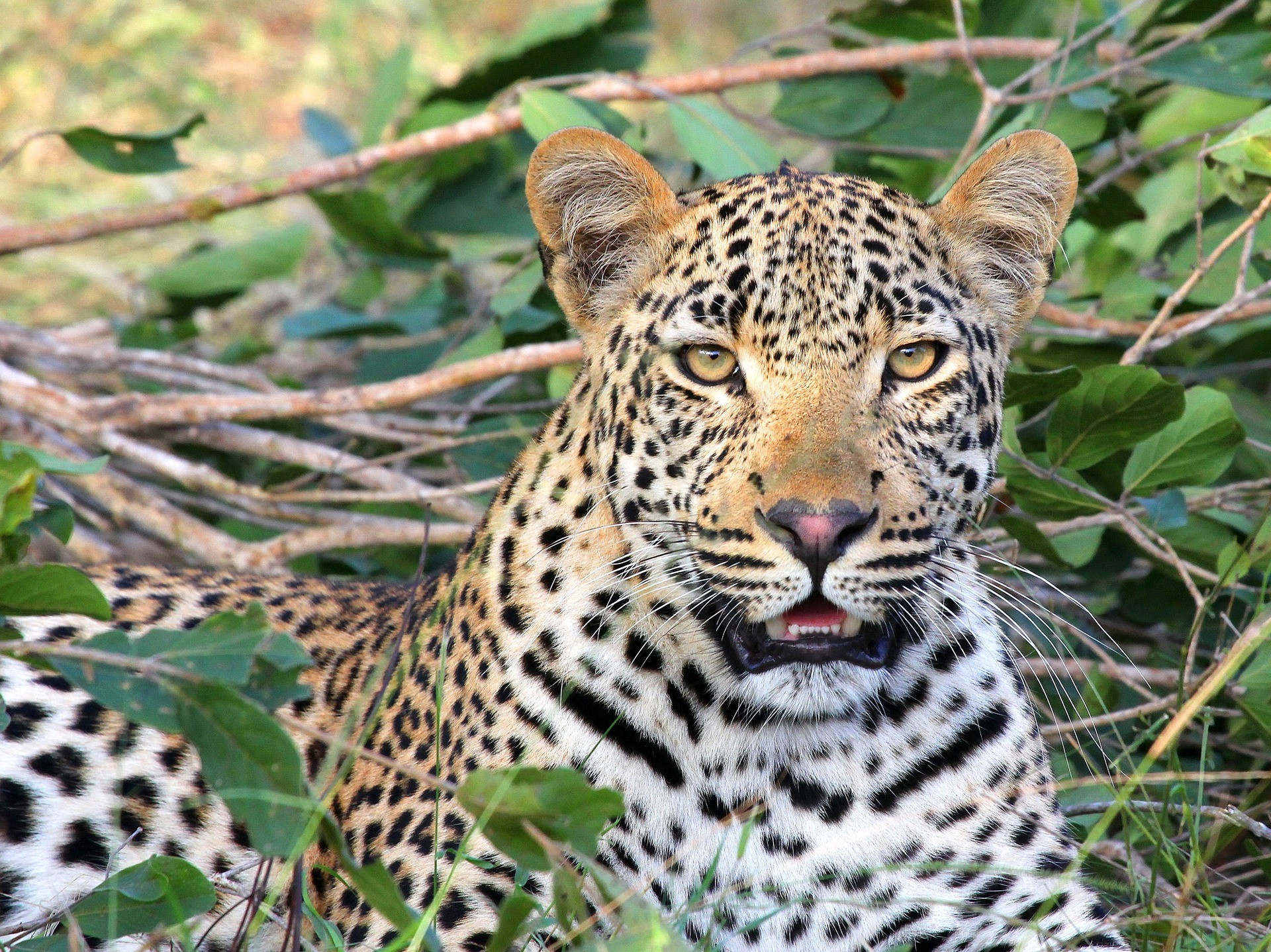
Leopard
1
Shoebill
3
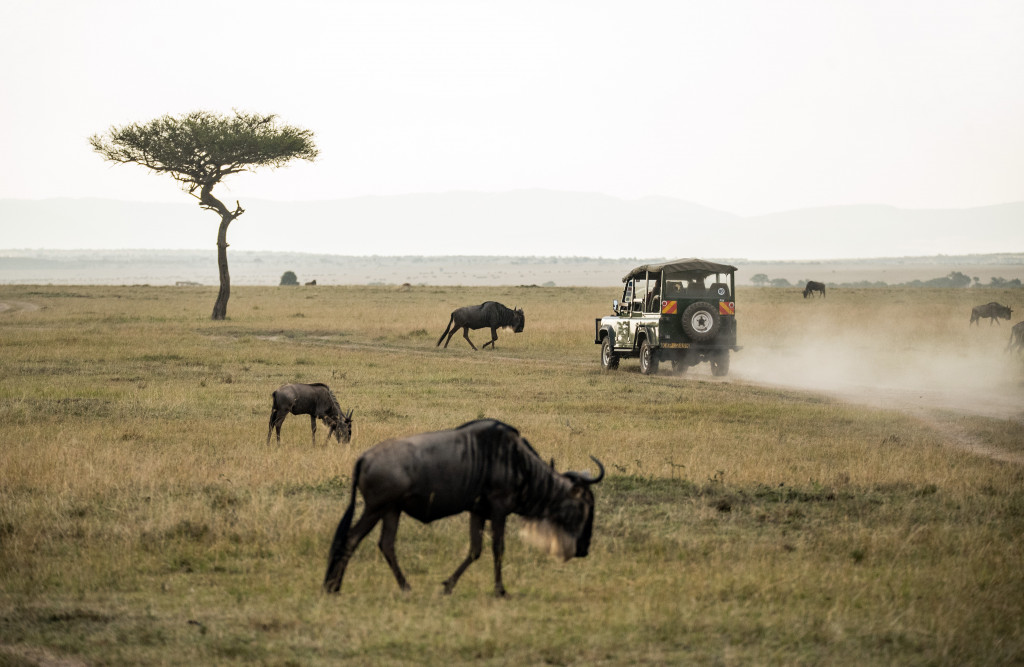
Wildebeest
0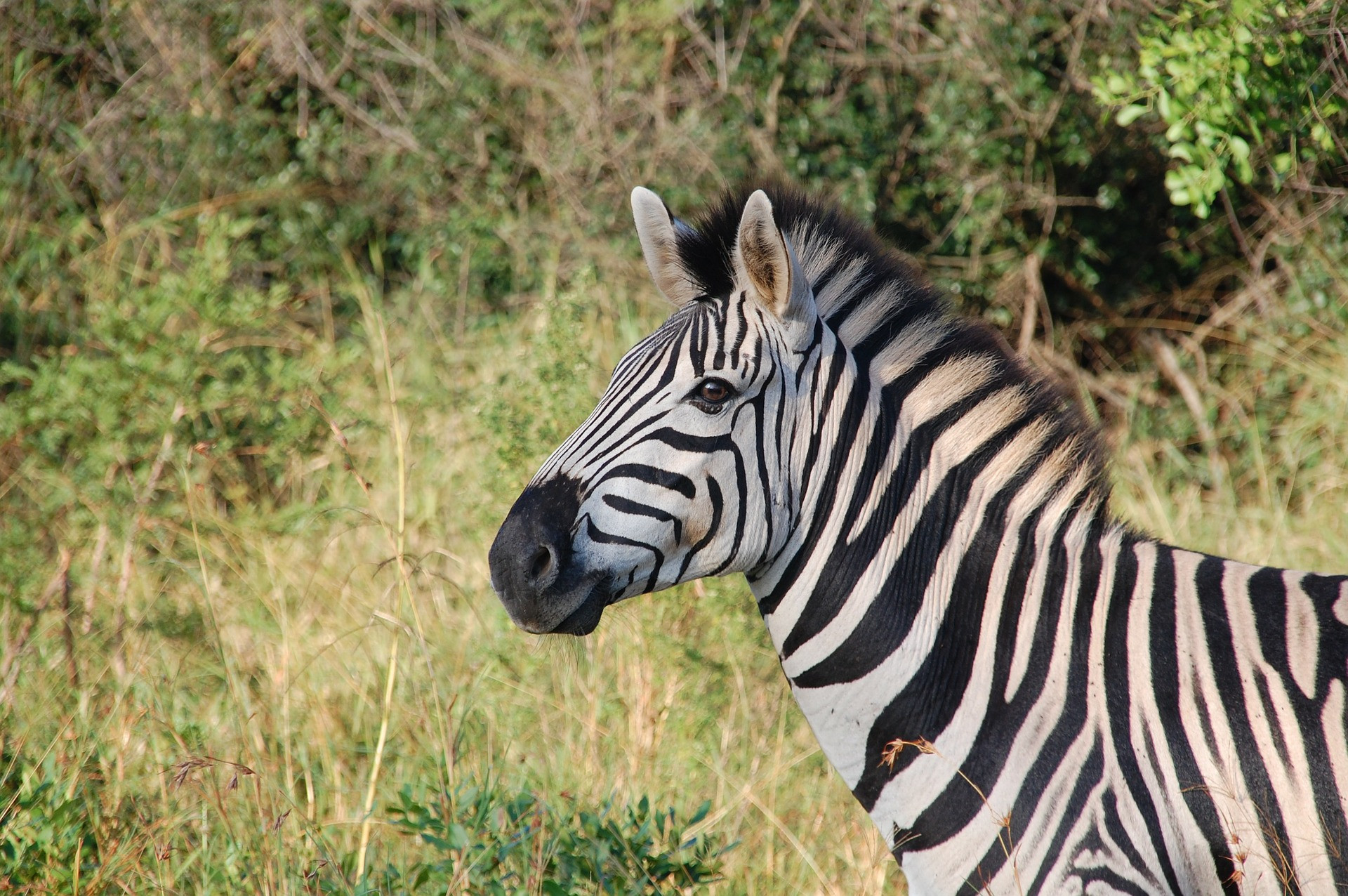
Zebra
3
Wild Dog
1
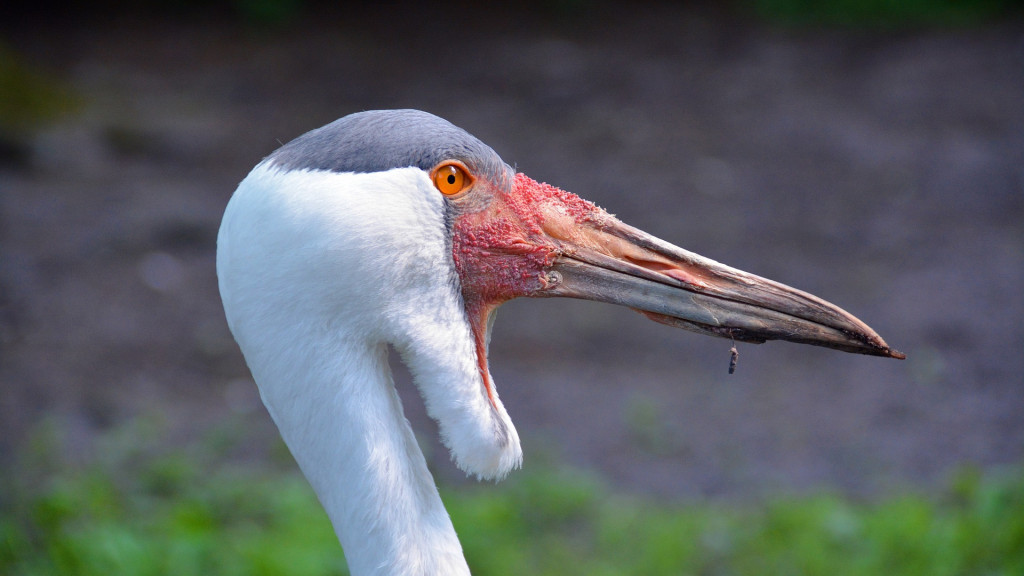
Wattled Crane
1
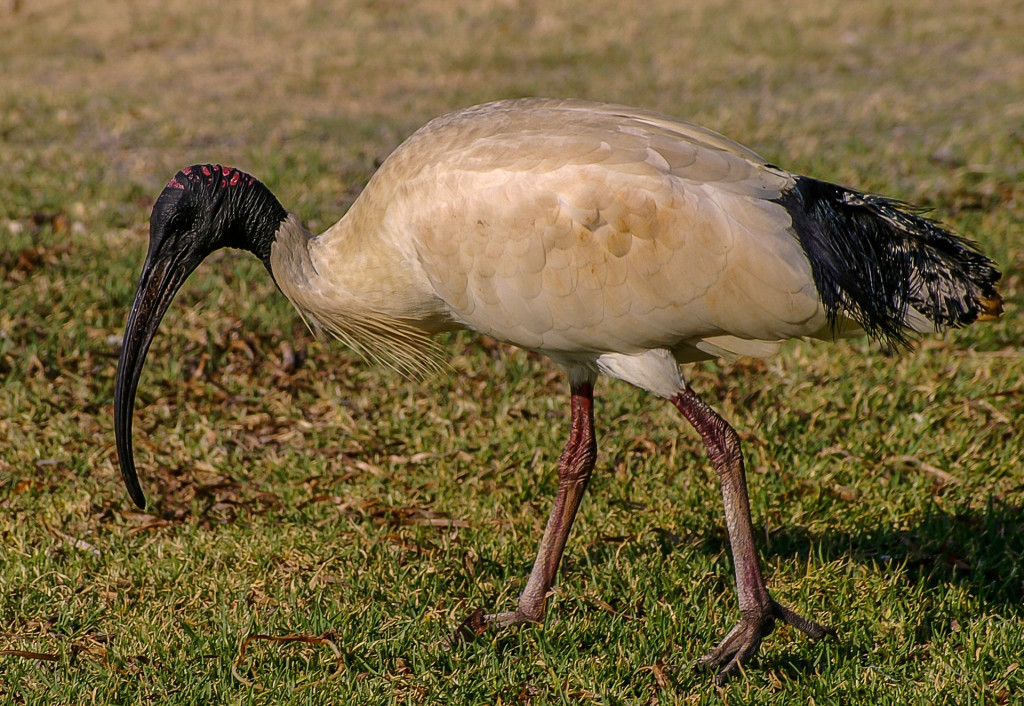
Sacred ibis
3
African Wattled Lapwing
3
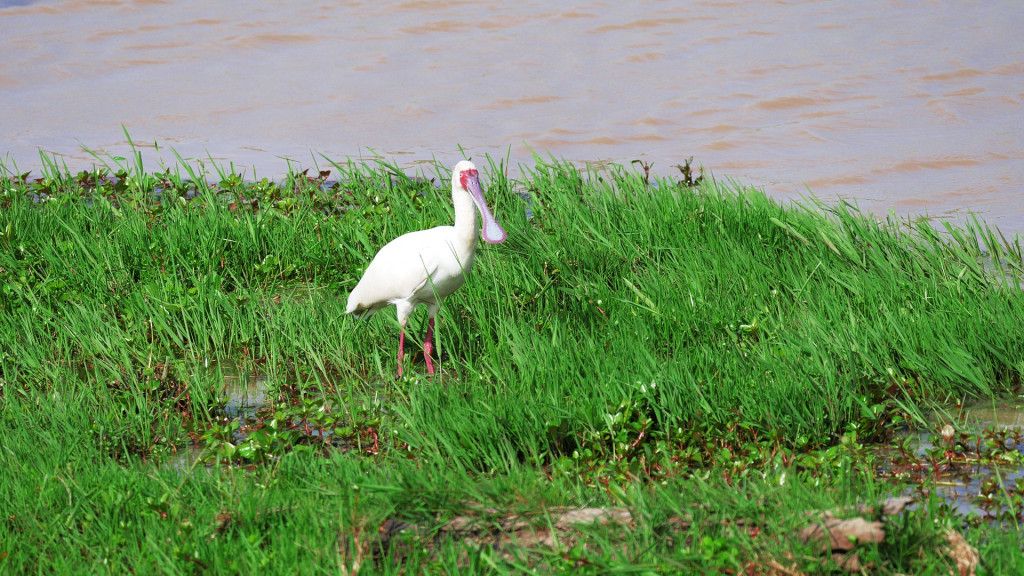
African Spoonbill
3