
About
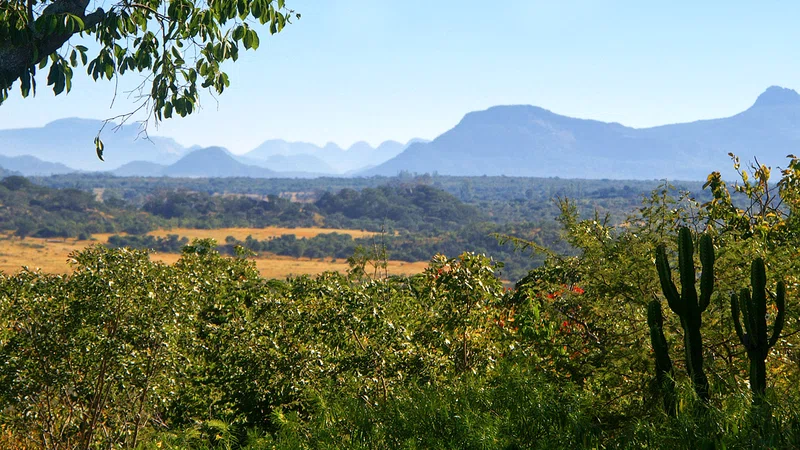
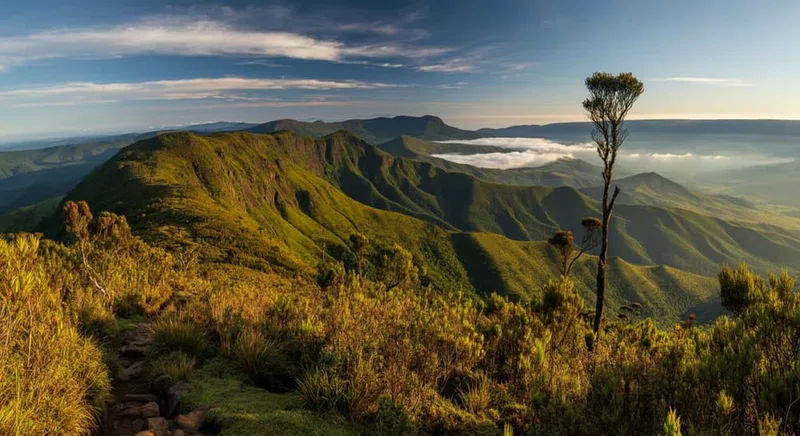
"Eastern Highlands" also refers to Eastern Highlands Province in Papua New Guinea, and part of the Great Dividing Range, Australia. The Eastern or 'East African Highlands' is a mountain range in the east of Zimbabwe and one of four distinct physiographic divisions on the African continent. It extends for about 300 kilometres (190 mi) along Zimbabwe's eastern border with Mozambique.The range comprises three main mountain groups - Nyanga (to the north) which contains Zimbabwe's highest mountain Mount Nyangani, Africa's second-longest waterfall Mutarazi Falls and the Honde Valley which leads into Mozambique; Bvumba Mountains (centrally situated near the city of Mutare); and Chimanimani (to the south). These regions are all sparsely populated, highland country and are covered in rich grassland and forests.The Highlands have a more equable climate than Zimbabwe's central plateau, with higher rainfall, low cloud and heavy mists and dew as moisture moves inland from the Indian Ocean. Many streams and rivers originate in these mountains, which form the watershed between the Zambezi and Save River systems.The East African Highlands physiographic division consists of the East African Rift and Abyssinian physiographic provinces, so are part of the long chain of mountains that runs down East Africa and share many common plant and animal habitats with other mountain areas in the east of the continent. == Eastern Zimbabwe montane forest-grassland mosaic == The Higlands are home to the Eastern Zimbabwe montane forest-grassland mosaic ecoregion. The ecoregion includes the portion of the Higlands above 1000 meters elevation, including the Inyangani Highlands, Vumba Highlands, Chimanimani Mountains, Chipinge Uplands, and the isolated Mount Gorongosa further east in Mozambique. The Southern Miombo woodlands ecoregion lies at lower elevations east and west of the highlands.The highlands have a cooler, moister climate than the surrounding lowlands, which support distinct communities of plants and animals. The ecoregion is home to several plant communities: submontane and montane grasslands, moist evergreen forest, dry montane forest, miombo woodlands, and heathlands. == Flora == Much of the small area consists of rolling hills covered with grassland, which are renewed annually following the fires that occur at the end of the dry season. SOURCESWikipedia