


About
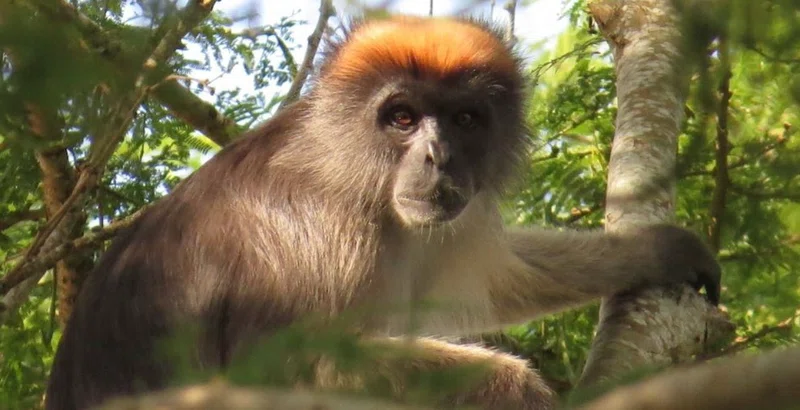
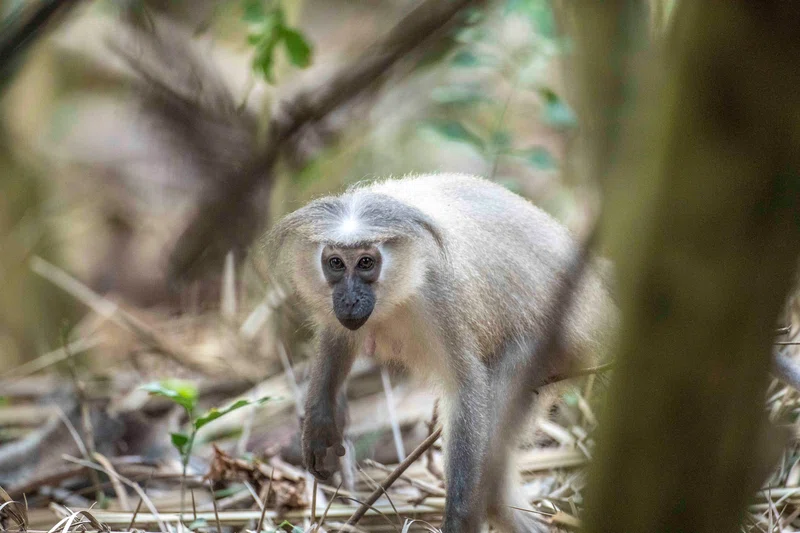
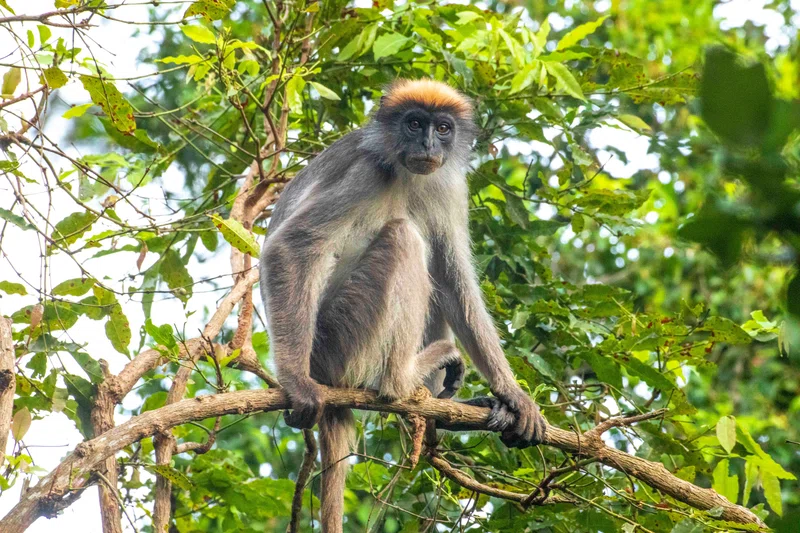
The Tana River Primate National Reserve is a former 170 square kilometres (66 sq mi) national wildlife reserve in south-eastern Kenya. It existed from 1976 to 2007. == Geography == Most of the area was semi-arid savanna but a small portion, about 13 square kilometres (5.0 sq mi), was made up of small patches of riverine forest. == History == The government set aside the land in 1976 as a in order to protect the swampy forests of the Lower Tana River and two endangered primates, the Tana River mangabey and the Tana River red colobus, that are found there. The endangered primates inhabit sixteen patches of forest (ranging from .1 to 6.25 km2) which extends for 60 km down the meandering lower Tana River, between Nkanjonja and Mitapani.Despite a $6.7 million World Bank Global Environment Facility project (1996 to 2001), conservation measures for the two primates have been largely ineffective.In 2005, more than 250 families of farmers were relocated 90 km away to the coastal community of Kipini. === De-protection === In 2007, the High Court of Kenya ruled that the reserve had not been properly established according to Kenyan law. As a result, the reserve was degazetted−disestablished, removing all official protection of the area and its National Reserve status and funding. == Habitat == The lush river forest patches are remainders of western African forests. The river cuts through dry woodland and open savannah. Recorded bird species there number 262, and at least 57 species of mammals live there. SOURCESWikipedia